Archives
- 2026-08
- 2026-07
- 2026-06
- 2026-05
- 2026-04
- 2026-03
- 2026-02
- 2026-01
- 2025-12
- 2025-11
- 2025-10
- 2025-09
- 2025-03
- 2025-02
- 2025-01
- 2024-12
- 2024-11
- 2024-10
- 2024-09
- 2024-08
- 2024-07
- 2024-06
- 2024-05
- 2024-04
- 2024-03
- 2024-02
- 2024-01
- 2023-12
- 2023-11
- 2023-10
- 2023-09
- 2023-08
- 2023-07
- 2023-06
- 2023-05
- 2023-04
- 2023-03
- 2023-02
- 2023-01
- 2022-12
- 2022-11
- 2022-10
- 2022-09
- 2022-08
- 2022-07
- 2022-06
- 2022-05
- 2022-04
- 2022-03
- 2022-02
- 2022-01
-
Cytokines and hormones influence both
2022-02-26
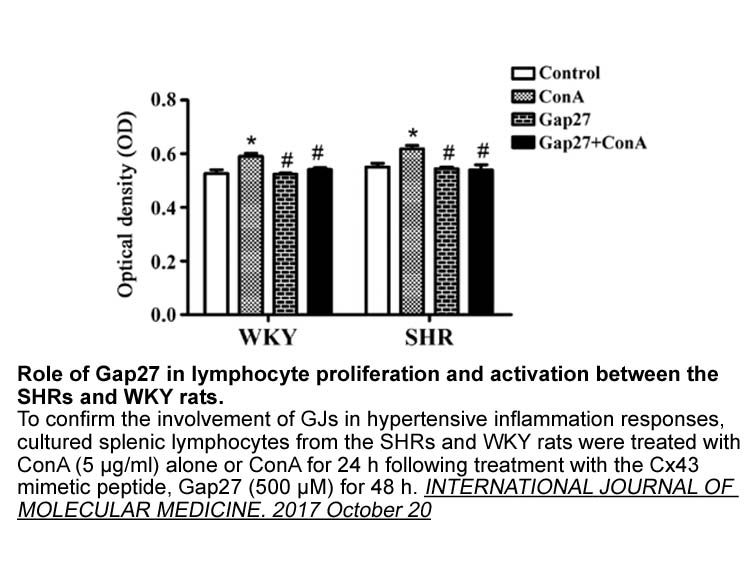
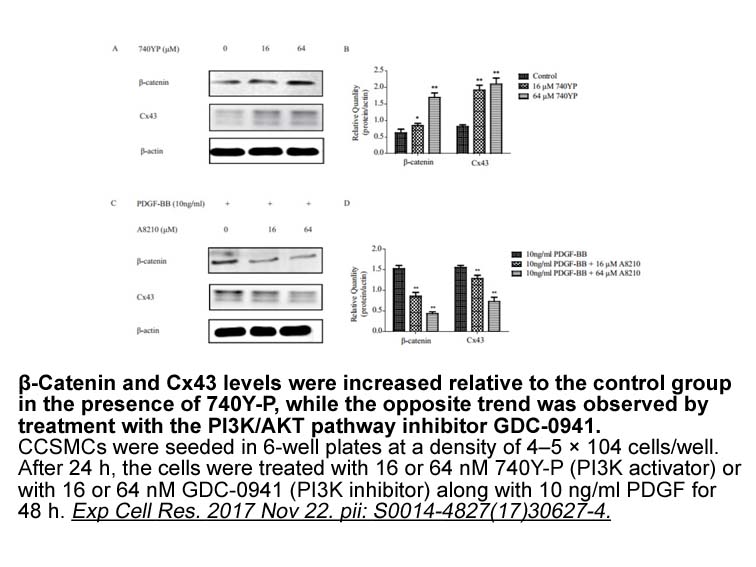
Cytokines and hormones influence both gap junctions [106] and endocrine activity in the pituitary [3]. Long-term treatment (2 h) with the proinflammatory cytokines interleukin-1β (Il-1β) and tumor necrosis factor-α (TNF-α) transiently increases Cx43 expression and cell coupling in TtT/GF u0126 [105]
-
br Materials and methods br Results br
2022-02-26
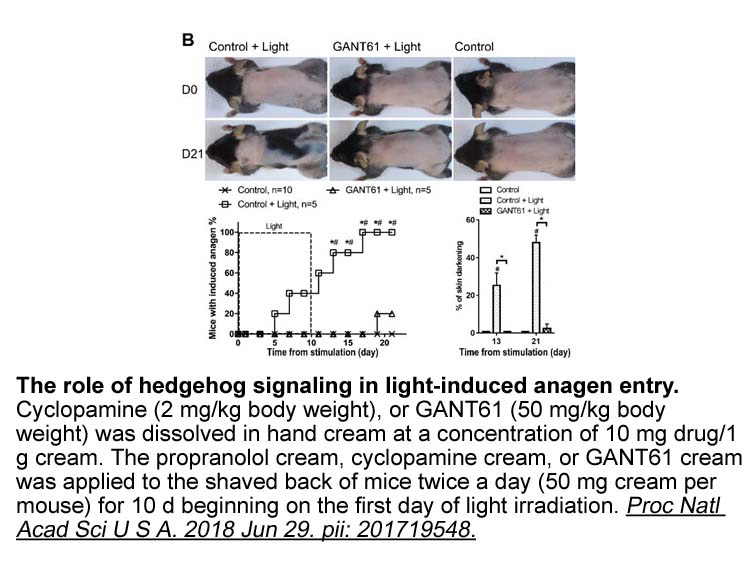
Materials and methods Results Discussion FFAR4 is a G-protein coupled free fatty buy flumazenil receptor that has been reported to be expressed in osteoclasts and osteoblasts [18]. In this study the role of FFAR4 on the effects of different classes of UFAs, the ω−6 PUFA, AA, the ω−3 PUFAs,
-
In this study we intended to
2022-02-26
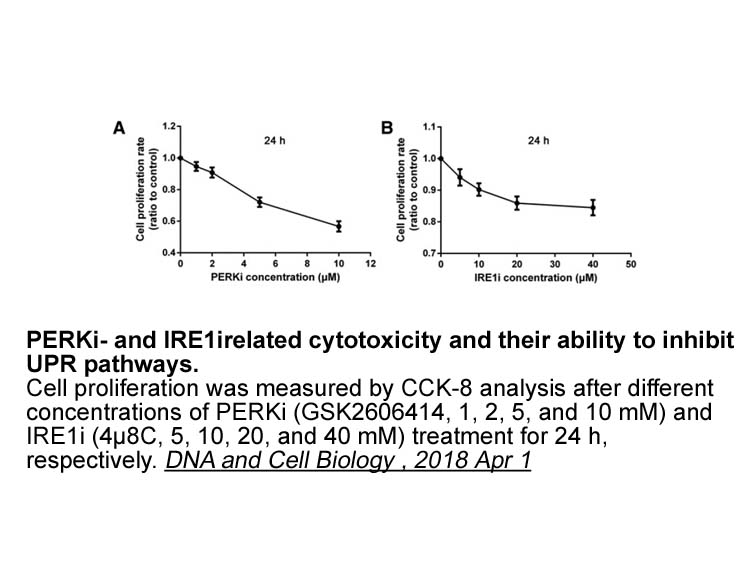
In this study, we intended to explore the efficacy of artesunate on liver fibrosis and further clarify its potential molecular mechanism. Artemisinin, a sesquiterpene lactone obtained from a Chinese plant Artemisia annua [27]. Artesunate, as a stable derivative of artemisinin, is an effective drug f
-
br Results and discussion CATALYST software allows automatic
2022-02-26
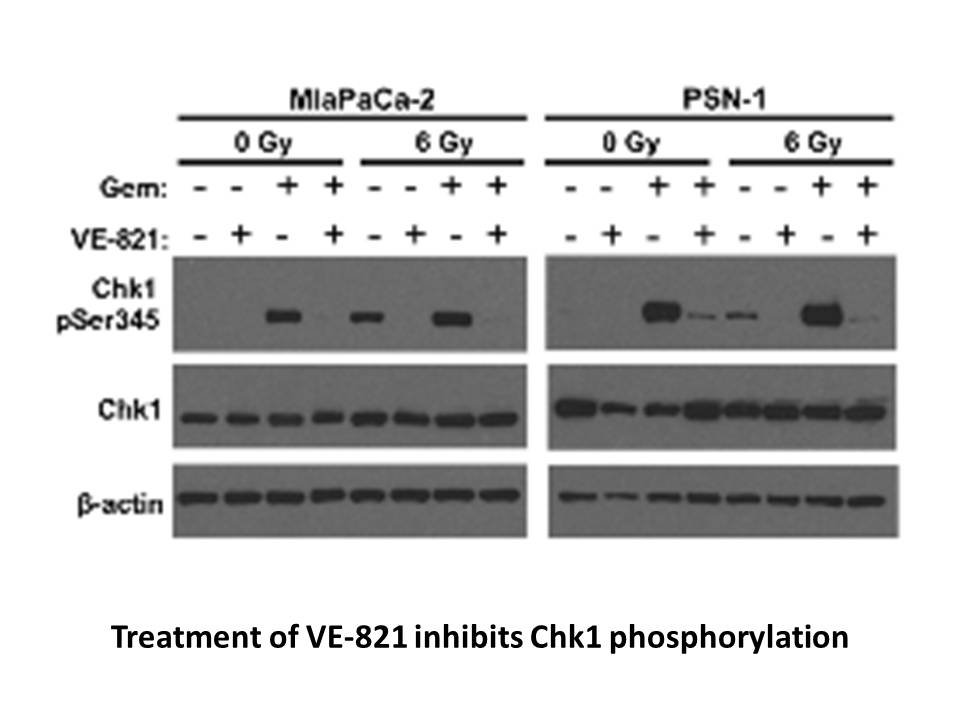
Results and discussion CATALYST software allows automatic pharmacophore construction by using a collection of molecules with activities ranging over a number of orders of magnitude. In addition, CATALYST pharmacophores (hypotheses) explain the variability of bioactivity with respect to the geomet
-
Depletion of PI P e g
2022-02-26
Depletion of PI(4,5)P2, e.g. by knockout of PIPKIγ, also profoundly inhibits SV endocytosis (Di Paolo et al., 2004). Conversely, loss of the PI(4,5)P2-metabolizing PI-phosphatase synaptojanin or its recruitor endophilin stalls SV recycling at the level of clathrin-coated vesicles (Bai et al., 2010,
-
Although oxidative stress induces a decrease
2022-02-26
Although oxidative stress induces a decrease in intracellular ATP level, the underlying mechanism is obscured. We hypothesized that oxidative stress induced by H2O2 could decrease astrocytes ATP level through lysosome exocytosis in Ca2+-dependent pattern. In present study, using H2O2 stimulation to
-
Interestingly hSMC displayed a similar
2022-02-26
Interestingly, hSMC displayed a similar morphological response to ET-1 as CHOETA. This dramatic lowering of normalized cell index in hSMC mimics ET-1 induced smooth muscle contraction. Earlier studies have shown that stress-fiber formations in CHOETA are mediated by Gq/PLC and G12 and in CHOETB by G
-
br STAR Methods br Acknowledgments Funding for this
2022-02-26
STAR★Methods Acknowledgments Funding for this work was provided by grants from the US National Institute of Allergy and Infectious Diseases (NIAID) (R01-AI095068 and UM1-AI068613 to S.H.E. and U24-AI118633 to H.B.L.) and grant OPP1155863 from the Bill and Melinda Gates Foundation to S.J.E. Add
-
Dithiodipyridine also known as aldrithiol is a known zinc
2022-02-26
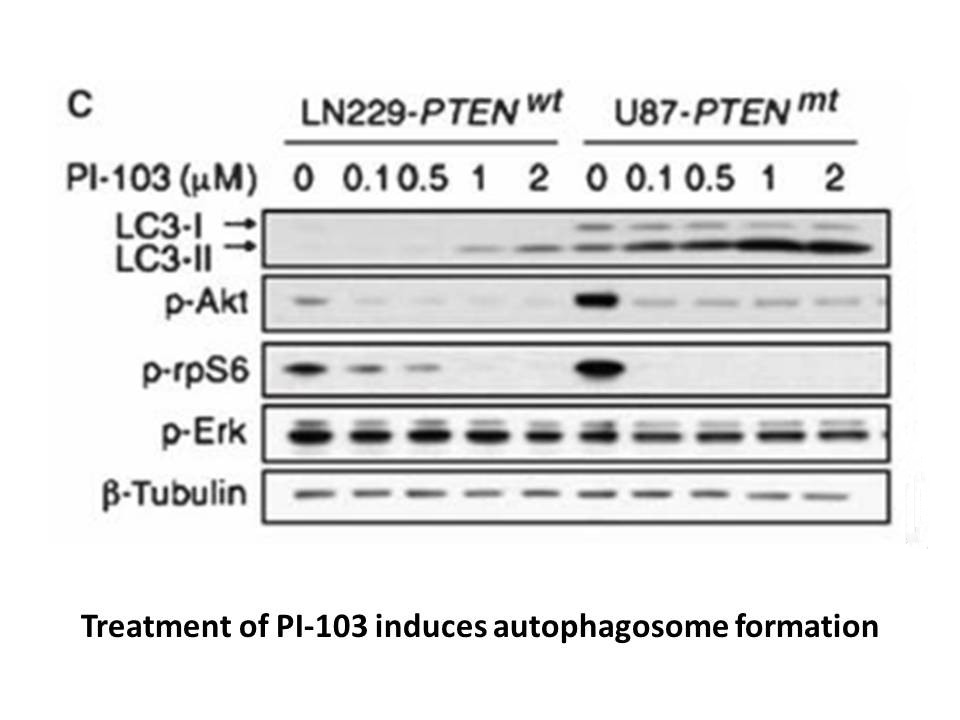
2,2′-Dithiodipyridine , also known as aldrithiol, is a known zinc ejector, targeting for instance the zinc finger in nucleocapsid protein of human immunodeficiency Pentamidine receptor type 1. inhibited G9a activity with IC = 0.65 µM and GLP with IC = 2.6 µM. We also tested disulfide cysteamine dih
-
Bile acids synthesized in the liver
2022-02-26

Bile acids synthesized in the liver are secreted into the intestinal tract to facilitate the digestion and LDN193189 of nutrients. Most bile acids are reabsorbed by the ileum and are transported back to the liver via the portal blood circulation. Recently, bile acids have also been considered as he
-
The rationale for developing HDACi as anticancer agents was
2022-02-25
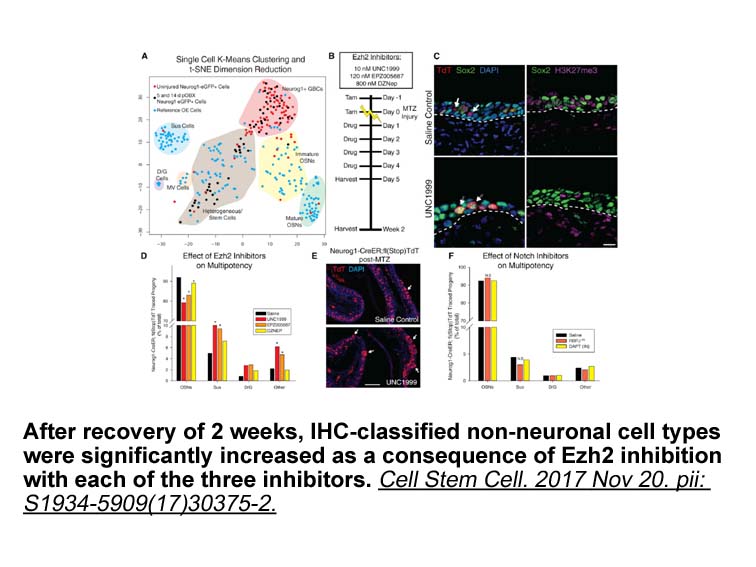
The rationale for developing HDACi as anticancer agents was based on their ability to induce the hyperacetylation of histones and nonhistone proteins, resulting in increased differentiation, apoptosis, and Gossypol australia arrest of cancer cells 1, 2, 3. HDACi have been used in the treatment of h
-
Previous reports have implicated the
2022-02-25

Previous reports have implicated the guanylin/GC-C signalling system as being important in osmoregulation in fish, especially in euryhaline species such as the eel which migrate between freshwater (FW) and seawater (SW) environments at different stages of their life cycle (Comrie et al., 2001a, Comr
-
hedgehog pathway Some years ago it has been described that C
2022-02-25
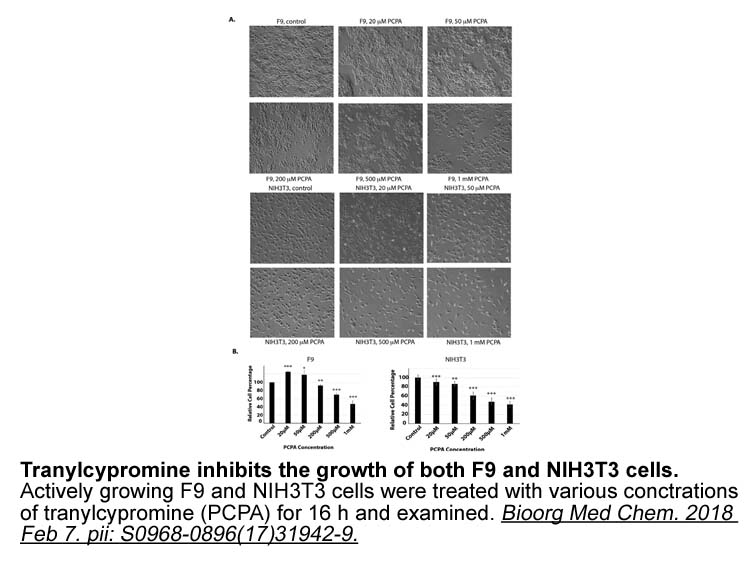
Some years ago, it has been described that CD45RA+ CD62L+ naïve CD4+ T hedgehog pathway can be further differentiated into two distinct subpopulations by analysing their surface expression of CD31(Kimmig et al., 2002a; Kohler and Thiel, 2009; Kohler et al., 2005b). CD31+ thymicnaive CD4+ T cells ar
-
eletriptan hydrobromide The life cycle of T cruzi
2022-02-25
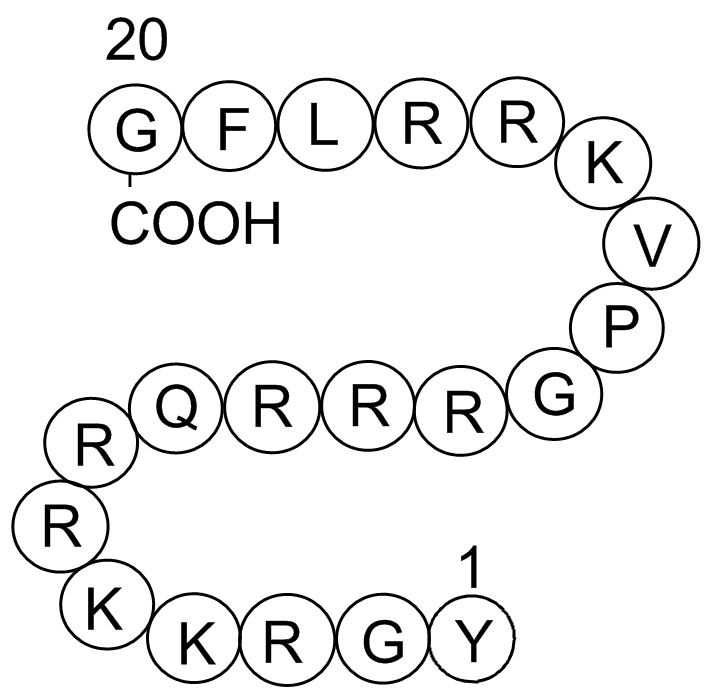
The life cycle of T. cruzi requires both vertebrate and invertebrate hosts. In the insect (invertebrate) vector, the protozoan undergoes extracellular replication, whereas in the mammalian (vertebrate) host it replicates by obligate intracellular multiplication (Rodrigues et al., 2014). Hence, the p
-
First class II fusion proteins are known
2022-02-25
First, class II fusion proteins are known to transition from a (homo- or hetero-) pre-fusion dimer to a post-fusion trimer [57], [58], [59], [60], [61], [62] through a monomeric intermediate [63], [64], and a crystalline structure of a monomer of Rift Valley fever virus (a phlebovirus, member of the
7866 records 493/525 page Previous Next First page 上5页 491492493494495 下5页 Last page