Archives
- 2026-08
- 2026-07
- 2026-06
- 2026-05
- 2026-04
- 2026-03
- 2026-02
- 2026-01
- 2025-12
- 2025-11
- 2025-10
- 2025-09
- 2025-03
- 2025-02
- 2025-01
- 2024-12
- 2024-11
- 2024-10
- 2024-09
- 2024-08
- 2024-07
- 2024-06
- 2024-05
- 2024-04
- 2024-03
- 2024-02
- 2024-01
- 2023-12
- 2023-11
- 2023-10
- 2023-09
- 2023-08
- 2023-07
- 2023-06
- 2023-05
- 2023-04
- 2023-03
- 2023-02
- 2023-01
- 2022-12
- 2022-11
- 2022-10
- 2022-09
- 2022-08
- 2022-07
- 2022-06
- 2022-05
- 2022-04
- 2022-03
- 2022-02
- 2022-01
-
br Apelin The APJ receptor ligand
2023-07-16
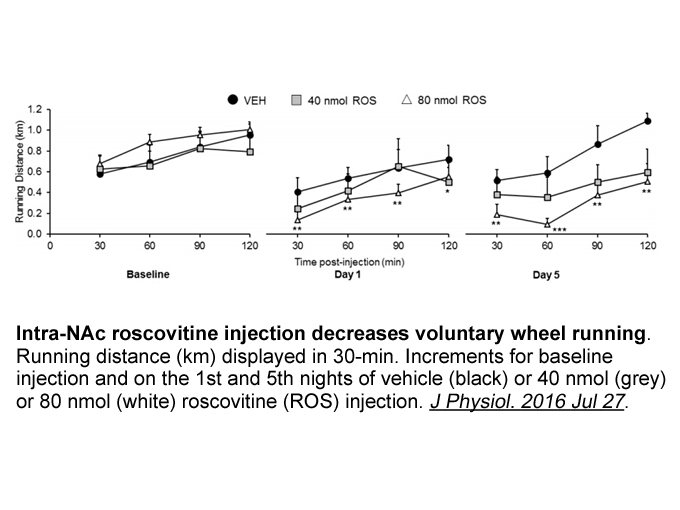
Apelin The APJ receptor ligand apelin firstly in 1998 was segregated from bovine stomach tissue. Human preproapelin gene located on chromosome Xq25–26.1. The apelin preproproteins consist of 77 amino Lapatinib residues that are cleaved into biologically active C-terminal fragments of various siz
-
α-Bungarotoxin In the present study a splice acceptor site m
2023-07-15
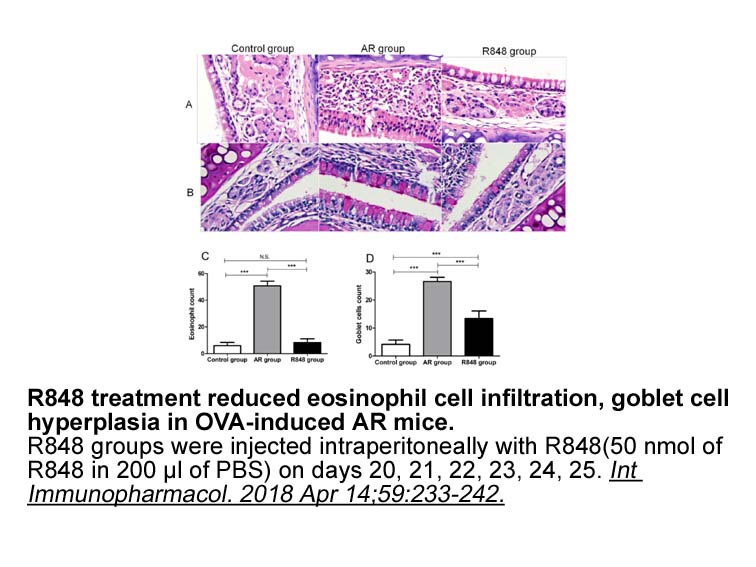
In the present study, a splice acceptor site mutation (c.1769-1G > C) was identified in AR gene from patients with CAIS. The c.1769-1G > C mutation results in replacement of the normal sequence (CAG/G) with a new sequence (CAC/G) at the splice acceptor site of intron 2. In the splice acceptor site r
-
Medroxyprogesterone acetate Electron paramagnetic resonance
2023-07-15

Electron paramagnetic resonance studies of mixtures of Aβ1–40 and Aβ1–42 suggest that interlaced fibrils might also form [40] where Aβ1–40 and Aβ1–42 is found within the same fibril. Considering the Aβ fold rather than the sequence, these observations imply two mechanisms that might lower the total
-
fxr agonist mg br Discussion Hepatic dysfunction in the meta
2023-07-15
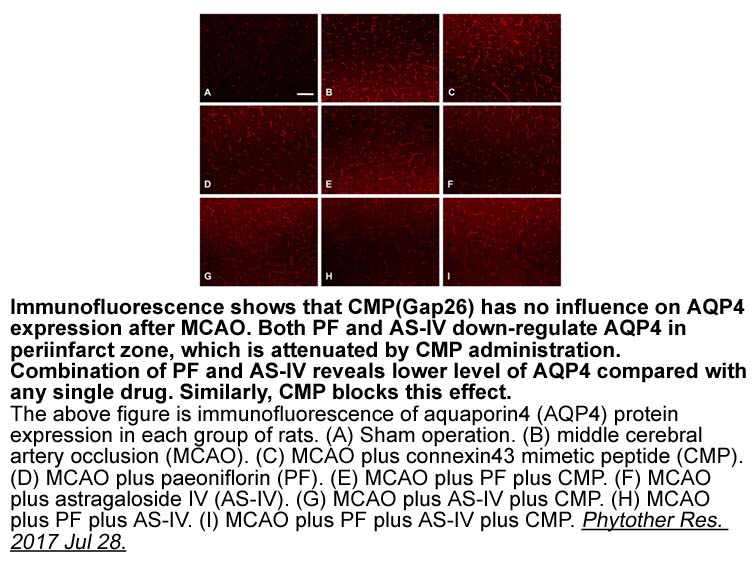
Discussion Hepatic dysfunction in the metabolic syndrome is a driver of negative patient outcomes that requires more therapeutic options. The complexity of liver alterations in this disease – elevated de novo synthesis of fatty acids and cholesterol, reduced clearance of circulating atherogenic L
-
olopatadine hcl australia Calcium entry through postsynaptic
2023-07-15
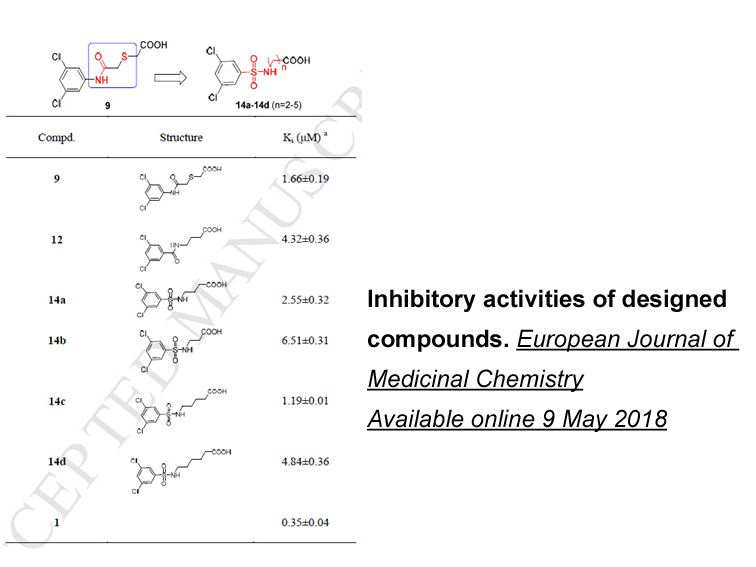
Calcium entry through postsynaptic NMDARs activates intracellular signaling cascades including Ca2+/calmodulin (CaM)-dependent protein kinase II (CaMKII) and calcineurin. The spatiotemporal abundance of this Ca2+/CaM complex determines the direction of synaptic plasticity, resulting in LTP (Malinow
-
mm hcl br The lipoxygenase pathway and microvascular
2023-07-15
The 12/15-lipoxygenase pathway and microvascular complications of diabetes The 12/15-lipoxygenase pathway in adipose tissue Only recently has adipose tissue been recognized as a highly metabolically active endocrine organ imparting profound local and systemic inflammatory effects. Adipose tiss
-
These findings suggest that eventually more
2023-07-15
These findings suggest that eventually more than one 12/15-lipoxygenase isoform may play a role in human atherosclerosis. Humans have two 12-lipoxygenases and two 15-lipoxygenases which show different expression patterns, substrate specificities and stereo-selective metabolism [1]. However, in Darif
-
br Discussion Herein we demonstrate that
2023-07-15
Discussion Herein, we demonstrate that mice deficient in L-12/15 LO are more sensitive to 3-NP-induced toxicity although a substantial individual variability in striatal lesion size in response to 3-NP in both genotypes was observed. This variability is not atypical; several studies demonstrate s
-
Based on our findings in this work
2023-07-15
Based on our findings in this work as well as the previous published data in the experimental mice model of RSV infection, we suggest that modulation of 12/15 LOX expression and/or blocking of LOX products such as 12(S)-HETE may represent potential pharmacological approaches to prevent or treat vira
-
The inflammatory cytokine IL is an additional factor
2023-07-15
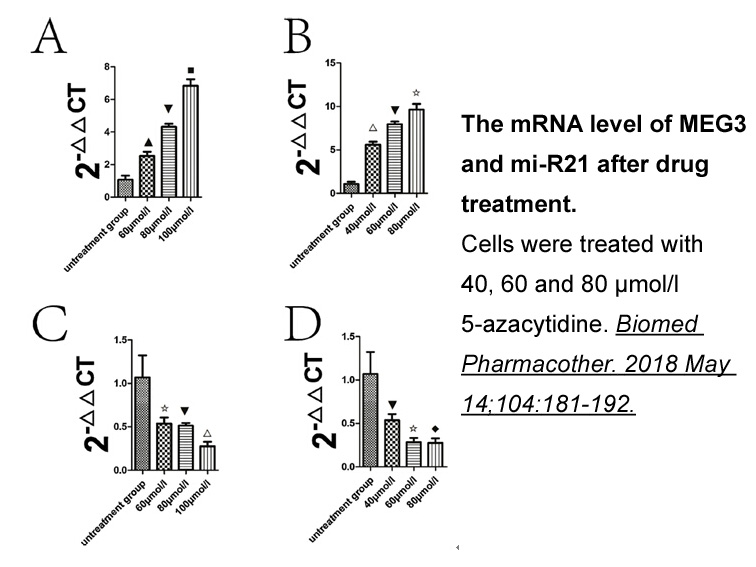
The inflammatory cytokine IL-6 is an additional factor that has been hypothesized to contribute to epinephrine-mediated repression of drug detoxifying proteins such as CYP3A4 (Aninat et al., 2008). Indeed, this CYP is well-known to be repressed by IL-6 (Dickmann et al., 2011) and epinephrine has pre
-
Mast cells Mast cells are immune cells of the
2023-07-15
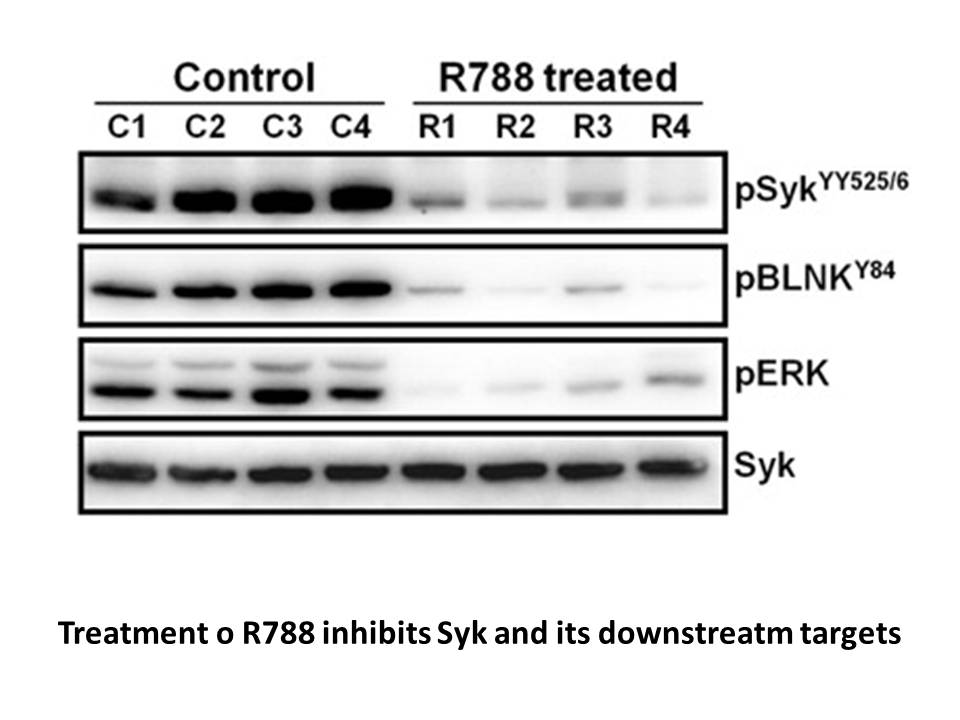
Mast cells. Mast r78 are immune cells of the myeloid lineage and are ubiquitously present in connective tissues [75]. These cells are involved in the modulation of a number of physiological functions, such as vasodilation, angiogenesis, bacterial, and parasite elimination [75]. Moreover, mast cells
-
In recent years there have been further significant developm
2023-07-15
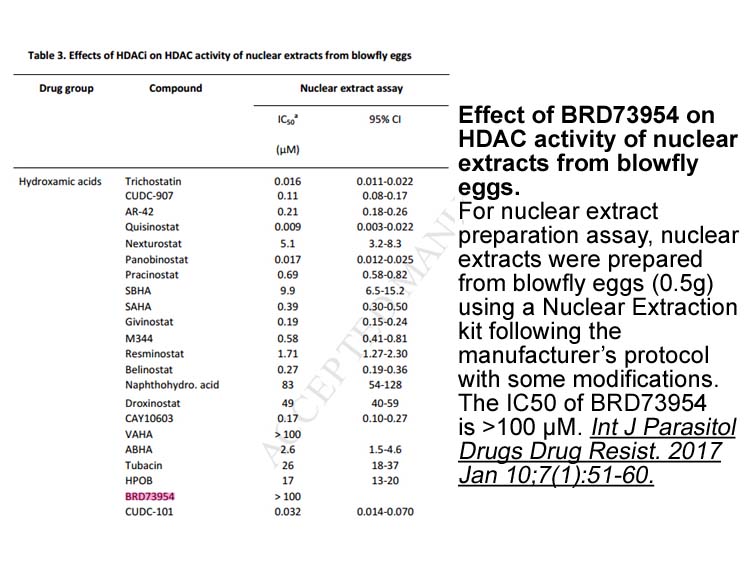
In recent years, there have been further significant developments that enhance an understanding of the role of adenosine in nociception. Thus, novel methods of recruiting adenosine A1Rs have been developed, and the role of adenosine A2A- and A3Rs in nociception has been further elaborated. Furthermo
-
It is worth pointing out that
2023-07-15
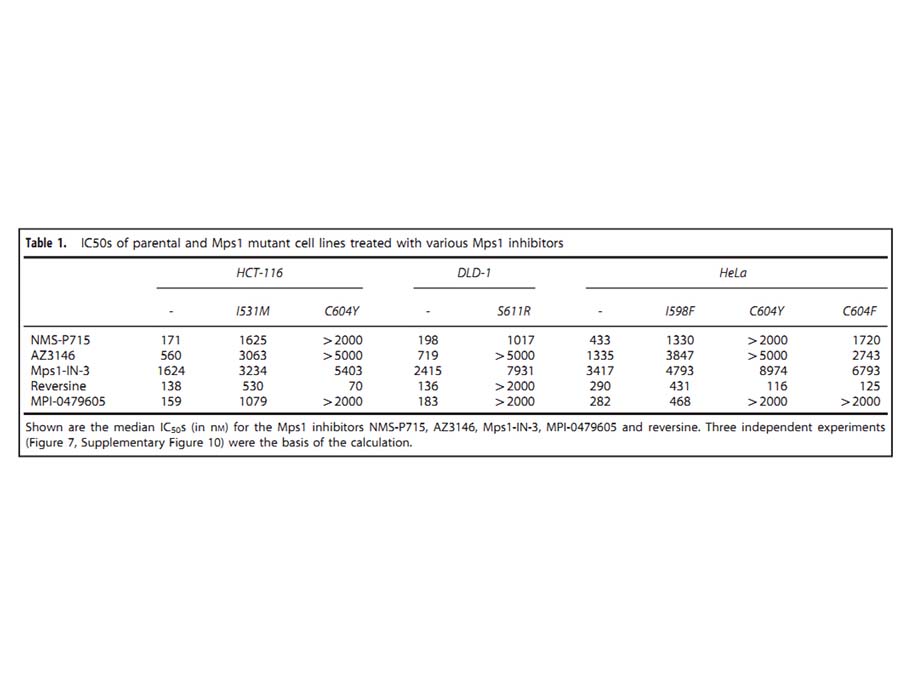
It is worth pointing out that phenotypes of in vivo HSP90β inhibition were not identical to those observed in rapsyn mutant mice (Gautam et al., 1995). Postsynaptically, junctional AChR clusters appeared fragmented, in addition to expected reduction in AChR intensity, in muscles injected with 17-AAG
-
In summary this study reveals that the stability of rapsyn
2023-07-15
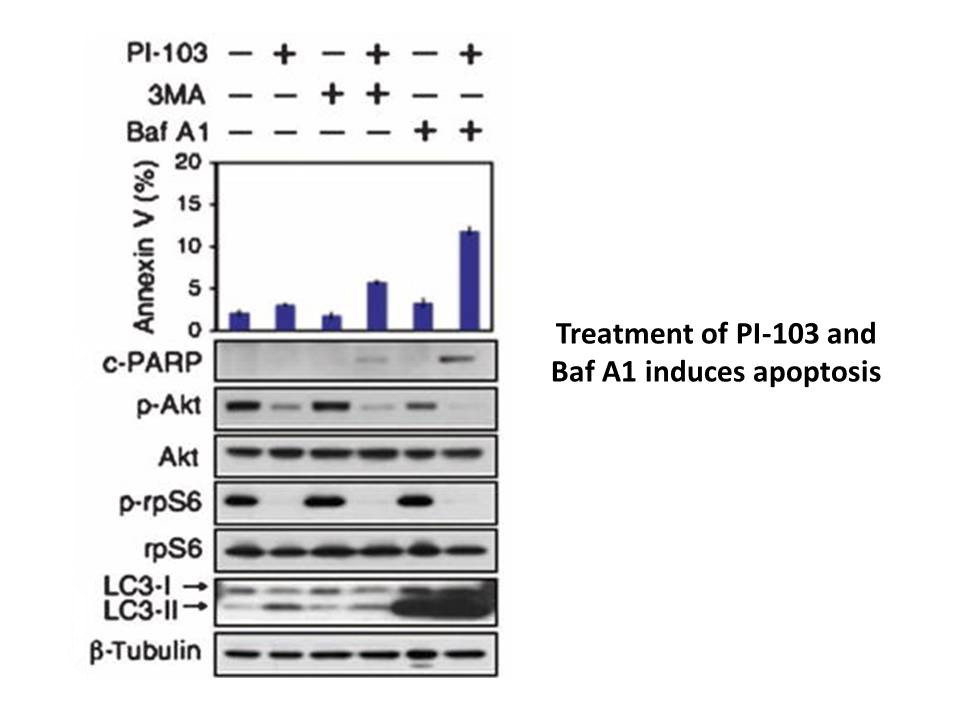
In summary, this study reveals that the stability of rapsyn is critically dependent on HSP90β, highlighting a novel function of HSP90β in NMJ formation and maintenance. It also identifies a mechanism in agrin signaling for AChR clustering, i.e., by upregulating the interaction between HSP90β and rap
-
Acetylcholinesterase AChE activity and expression
2023-07-15
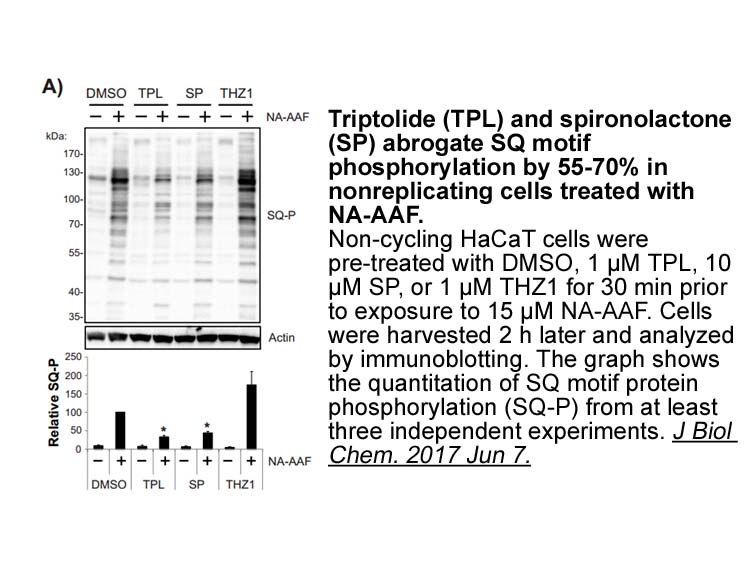
Acetylcholinesterase (AChE) activity and expression level can be down regulated by TCDD in neuronal cells [3], [6]. Thus AChE could be considered as a target of the neuronal toxicity of dioxin. AChE has several types of transcripts by alternative splicing in the 3′ region of primary transcripts [7],
7869 records 354/525 page Previous Next First page 上5页 351352353354355 下5页 Last page