Archives
- 2026-07
- 2026-06
- 2026-05
- 2026-04
- 2026-03
- 2026-02
- 2026-01
- 2025-12
- 2025-11
- 2025-10
- 2025-09
- 2025-03
- 2025-02
- 2025-01
- 2024-12
- 2024-11
- 2024-10
- 2024-09
- 2024-08
- 2024-07
- 2024-06
- 2024-05
- 2024-04
- 2024-03
- 2024-02
- 2024-01
- 2023-12
- 2023-11
- 2023-10
- 2023-09
- 2023-08
- 2023-07
- 2023-06
- 2023-05
- 2023-04
- 2023-03
- 2023-02
- 2023-01
- 2022-12
- 2022-11
- 2022-10
- 2022-09
- 2022-08
- 2022-07
- 2022-06
- 2022-05
- 2022-04
- 2022-03
- 2022-02
- 2022-01
- 2021-12
- 2021-11
- 2021-10
- 2021-09
- 2021-08
- 2021-07
- 2021-06
- 2021-05
- 2021-04
- 2021-03
- 2021-02
- 2021-01
- 2020-12
- 2020-11
- 2020-10
- 2020-09
- 2020-08
- 2020-07
- 2020-06
- 2020-05
- 2020-04
- 2020-03
- 2020-02
- 2020-01
- 2019-12
- 2019-11
- 2019-10
- 2019-09
- 2019-08
- 2019-07
- 2019-06
- 2019-05
- 2019-04
- 2018-11
- 2018-10
- 2018-07
-
AR Vs are truncated AR proteins lacking
2024-10-17
AR-Vs are truncated AR proteins lacking the AR ligand-binding domain (AR-LBD) [6]. While AR-Vs have frequently been detected in CRPC, their expression and functional role in benign prostate tissues and primary prostate cancers is not readily apparent. Structural rearrangements in the AR gene and alt
-
Fish aminopeptidases from Alaska Pollack roe and tuna pylori
2024-10-17

Fish aminopeptidases from Alaska Pollack roe and tuna pyloric caeca have been reported on [12,13]. More recently, we described the purification of a leucine aminopeptidase from the skeletal muscle of the common carp [14], red sea bream [15] and a lysine aminopeptidases from Japanese flounder [16]. T
-
The reactions and the control mechanisms described are all s
2024-10-17
The reactions and the control mechanisms described are all supported by observations. For example the reactions require that different compounds are formed in different groups of NHS-12-Biotin cells and this has been observed [15]. Intravenous injection of glycine results in reduced utilisation of
-
Estudos de biomarcadores mostram que as concentra es
2024-10-17
Estudos de biomarcadores mostram que as concentrações de proteína amiloide no LCR estão inversamente relacionadas com o grau de doença de Alzheimer. No entanto, quer as placas amiloides quer a diminuição da proteína amiloide podem ser encontradas em idosos sem clínica de disfunção cognitiva, pelo qu
-
The AR signalling pathways play important roles in several p
2024-10-16

The AR signalling pathways play important roles in several physiopathological processes associated with ischaemia, inflammation, and tumourigenesis [35]. Moreover, A3AR is overexpressed in different tumour KPT-330 and seems implicated in pro- or anti-apoptotic effects [36]. In particular, activatio
-
It is well accepted that PKA is
2024-10-16

It is well accepted that PKA is a key enzyme activated at the beginning of the capacitation process [69]. As mentioned above phosphorylation/inactivation of cofilin in sperm is a PKA dependent process [58]. We could not see any change in cofilin phosphorylation level by adding the PKA activator 8Br-
-
Previously we described that cadmium induces a
2024-10-16
Previously, we described that cadmium induces a more pronounced, but not selective, cell death on primary cholinergic neurons from basal forebrain (Del Pino et al., 2014). Degeneration of septal cholinergic neurons from basal forebrain, as happens in AD, results in memory deficits (Scheiderer et al.
-
br Acknowledgments The authors would like to
2024-10-16
Acknowledgments The authors would like to thank Ms. Ashley Davis for her administrative assistance in preparing this article and Mr. Dan Beck for his artistic contributions to Fig. 1. Introduction Acetylcholine is the most abundant neurotransmitter in the central nervous system (CNS) of insec
-
br Acknowledgments The authors would like to
2024-10-16
Acknowledgments The authors would like to thank Ms. Ashley Davis for her administrative assistance in preparing this article and Mr. Dan Beck for his artistic contributions to Fig. 1. Introduction Acetylcholine is the most abundant neurotransmitter in the central nervous system (CNS) of insec
-
br Results br Discussion Although
2024-10-16
Results Discussion Although they do not have protein-coding capacity, lncRNAs make up a large part of the transcripts of the genome, and they play fundamental roles in carcinogenesis and osteosarcoma progression through regulation of tumor proliferation and metastasis. These lncRNAs include MA
-
br Dual role of autophagy in human diseases Emerging
2024-10-16
Dual role of autophagy in human diseases Emerging evidence suggests that autophagy serves as a double-edged sword in several human diseases, such as CNS diseases (Rubinsztein et al., 2015), arteriosclerosis (Schrijvers et al., 2011) and cancer (Ozpolat and Benbrook, 2015). Likewise, currently the
-
Various cardiovascular diseases show a
2024-10-16
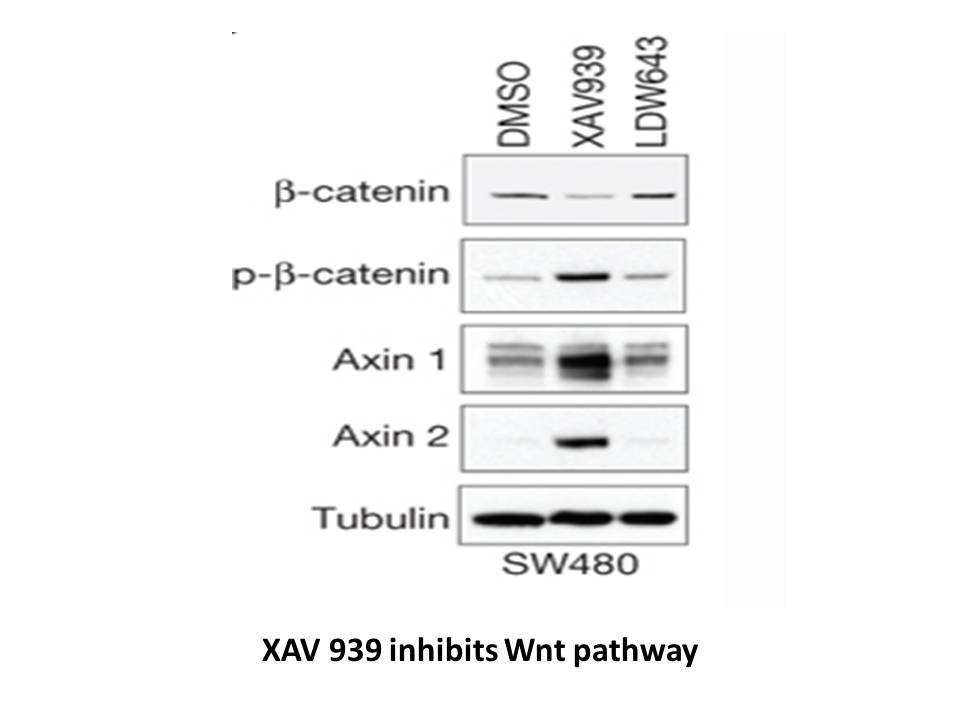
Various cardiovascular diseases show a high occurrence of autophagosomes. Whereas basal autophagy is required for the proper functioning of cardiomyocytes [82], the deletion of Atg5 gene in myocardium shows a high risk of cardiomyopathy [83]. Hamacher et al. observed that an upregulation of Bnip3, a
-
br In vivo visualization of aromatase with
2024-10-16
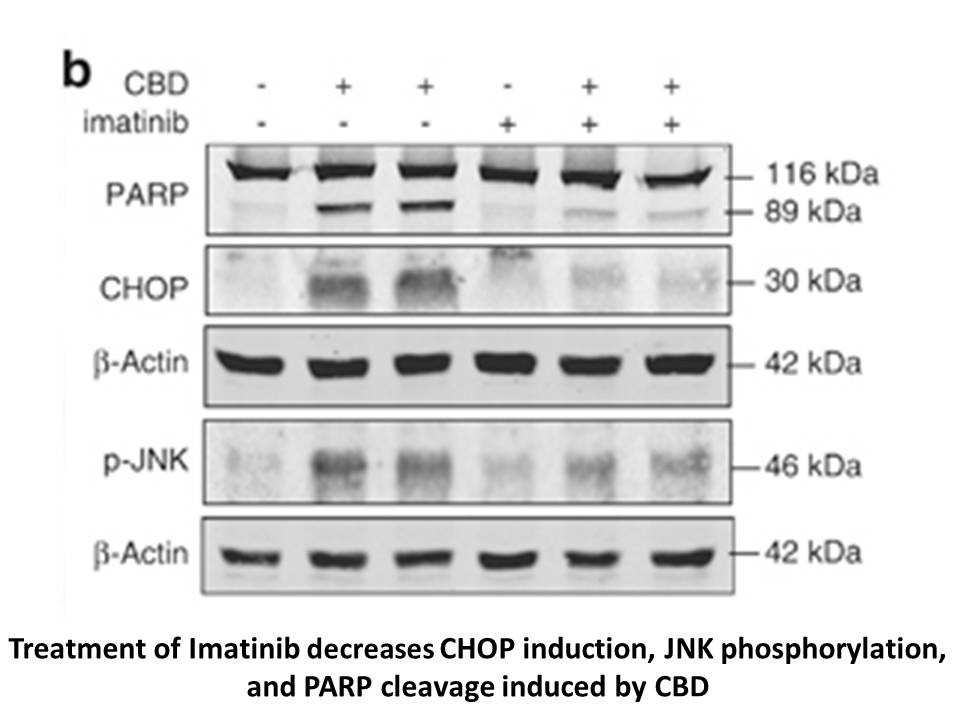
In vivo visualization of aromatase with positron emission tomography (PET) Positron emission tomography (PET) utilizes the high cytidine australia photons formed during the annihilation of positrons to detect the changes in the amount and localization of injected radiopharmaceuticals in the livin
-
br The role of apelin in hypertension diseases
2024-10-16
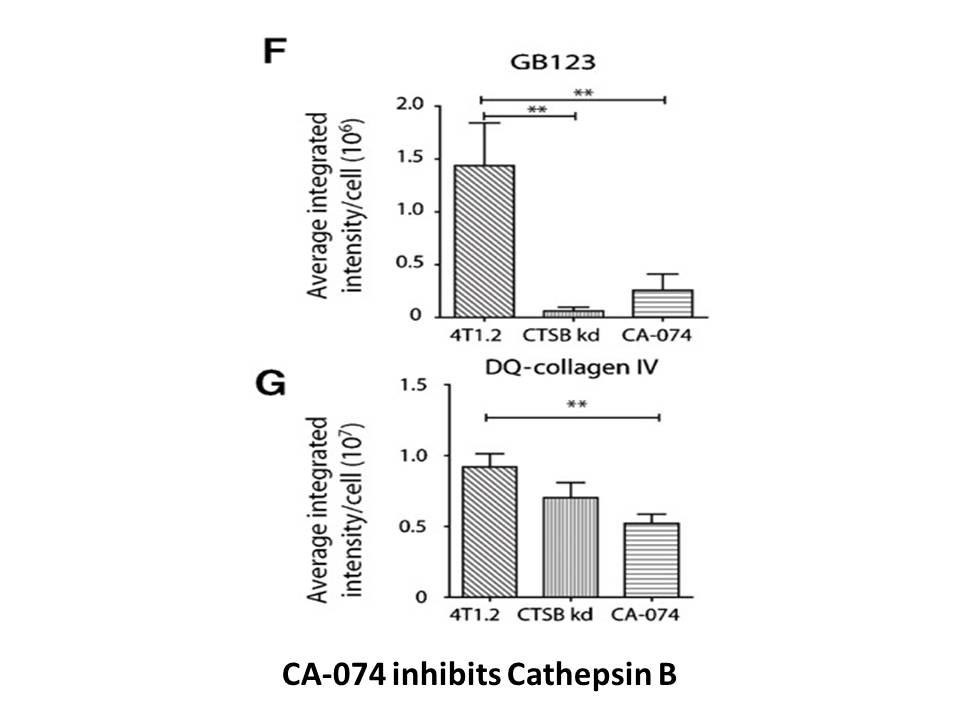
The role of apelin in hypertension diseases The role of apelin and its receptor APJ in cardiovascular diseases has been described in numerous studies (Table 2) [36,37]. It has been revealed that exogenous apelin may lower blood pressure. Tatemoto et al. [6] have discovered that different forms of
-
br Role of AR in
2024-10-15
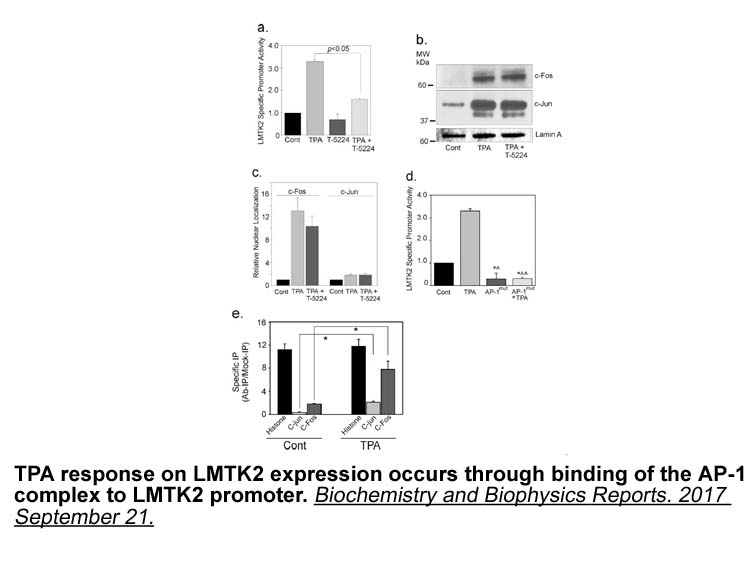
Role of AR in models of neointima formation Investigations into the pathogenesis of lesion formation have often used acute models of mechanical damage to assess the mechanisms regulating the fibro-proliferative response to arterial injury. Models of acute injury used for this purpose include: lig
16030 records 99/1069 page Previous Next First page 上5页 96979899100 下5页 Last page