Archives
- 2026-10
- 2026-09
- 2026-08
- 2026-07
- 2026-06
- 2026-05
- 2026-04
- 2026-03
- 2026-02
- 2026-01
- 2025-12
- 2025-11
- 2025-10
- 2025-09
- 2025-03
- 2025-02
- 2025-01
- 2024-12
- 2024-11
- 2024-10
- 2024-09
- 2024-08
- 2024-07
- 2024-06
- 2024-05
- 2024-04
- 2024-03
- 2024-02
- 2024-01
- 2023-12
- 2023-11
- 2023-10
- 2023-09
- 2023-08
- 2023-07
- 2023-06
- 2023-05
- 2023-04
- 2023-03
- 2023-02
- 2023-01
- 2022-12
- 2022-11
- 2022-10
- 2022-09
- 2022-08
- 2022-07
- 2022-06
- 2022-05
- 2022-04
- 2022-03
- 2022-02
- 2022-01
-
br Materials and methods br Results br
2022-05-04
Materials and methods Results Discussion and conclusions Our data demonstrate that native and 2-OMe-LPC analogues are GPR119 ligands and activate insulin secretion from βTC-3 pancreatic cells. LPC 18:1 was the first proposed endogenous ligand for GPR119 [1], however natural LPC has limited
-
For a long time the mechanism for the TG
2022-05-04
For a long time, the mechanism for the TG-lowering effect of nicotinic nociceptin receptor has been thought that the lowered NEFA substrate from adipose tissue limits TG production from the liver (so-called NEFA hypothesis) [[1], [2], [3], [4]]. However, recent emerging evidences have suggested the
-
In addition analysis of the functional elements in the GnRH
2022-05-04
In addition, analysis of the functional elements in the GnRH promoter region also identified other transcription factor binding sites, such as those for GATA-1 and Oct-1. However, those sites were not further validated in this study. Nevertheless, it has been reported that transcription factors such
-
A general synthesis of the tetrazole is
2022-05-04
A general synthesis of the tetrazole is shown in . First, a magnesium-halogen exchange reaction quenched with DMF afforded benzo[]thiophene-5-carbaldehyde , which was further decorated with a bromine at the 3-position (). A Suzuki reaction with -tolylboronic DL-AP5 Sodium salt followed by reductio
-
To study the effects of GPR at the
2022-05-04
To study the effects of GPR40 at the whole-animal level, GPR40 mice have been generated in two different genetic backgrounds [18], [19]. GPR40 mice from both backgrounds were apparently healthy with no overt signs of metabolic or other abnormalities. As expected, pancreatic islets taken from GPR40 m
-
br Genetic rescue of GluR A dependent
2022-05-04
Genetic rescue of GluR-A-dependent spatial working memory Spatial working memory performance in GluR-A−/− mice can be restored by the forebrain-specific Ivachtin mg of GluR-A subunits labeled with green-fluorescent protein (GFP) on an otherwise GluR-A knockout background (Schmitt et al., 2005).
-
Apoptosis a form of programmed cell death
2022-05-04

Apoptosis, a form of programmed cell death, is a critical component in maintaining homeostasis and growth in all tissues and plays a significant role in immunity and cytotoxicity [54,55]. Although GR are expressed in all immune cells, the physiological outcomes of GR activation are highly cell type-
-
Atropine Further we examined the degradation of Cx Autophagy
2022-05-04
Further, we examined the degradation of Cx43. Autophagy and the proteasome system have previously been implicated in Cx43 degradation (Falk et al., 2014). DEX inhibited communication between Atropine by promoting the degradation of Cx43 through autophagy in osteocytes (Gao et al., 2016). In our exp
-
In addition several other considerations were
2022-05-04
In addition, several other considerations were made for the optimization exercise. While the structural features of the endogenous ligands for long-chain fatty Disuflo Cy5 azide receptors suggest obtaining orthosteric agonists with drug-like properties may be challenging, the optimization efforts w
-
Our observation of LPS induced increase in the
2022-04-29
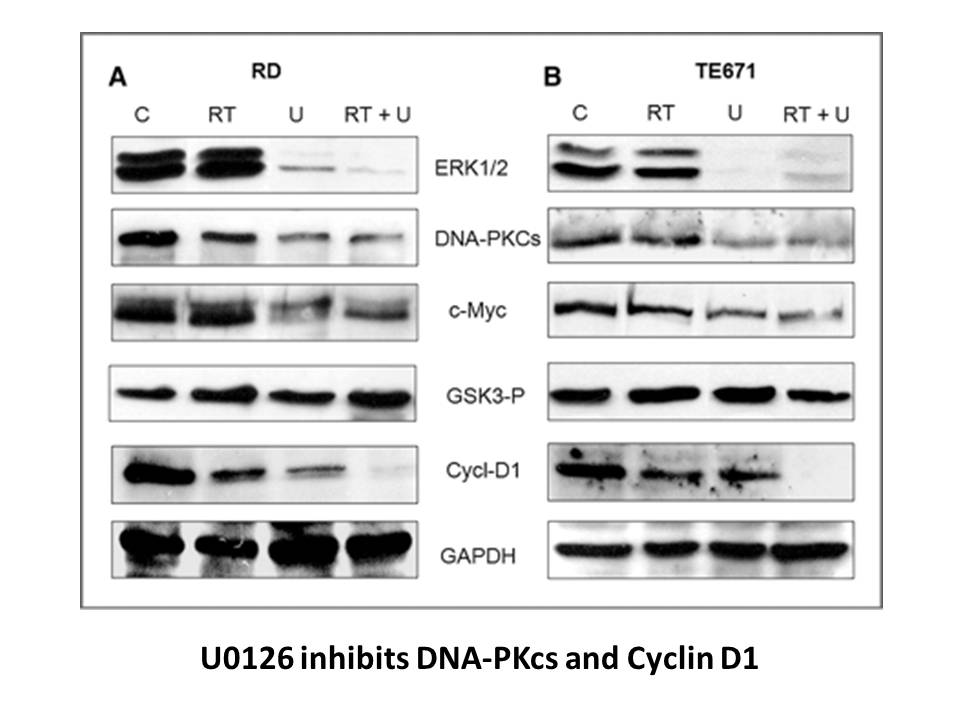
Our observation of LPS-induced increase in the sensitivity of cultured endothelium-intact coronary glutamate receptor antagonist towards stimulation with selective ETB receptor agonist (S6c) could be explained by activation of TLRs receptors located on the endothelium of rat coronary arteries. Howe
-
Our extensive preliminary data suggest that the loss of p
2022-04-29
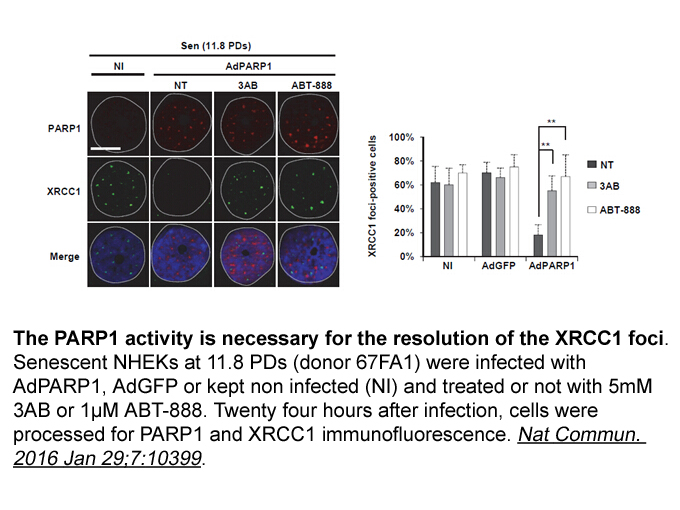
Our extensive preliminary data suggest that the loss of p300 (and resulting H3K27ac) is related to inorganic arsenic related diseases. Therefore, it may open a new avenue for alleviating the consequence of H3K27ac, for example, via boosting CBP enzymatic activity for at least partially compensating
-
br Patients and methods br Results br Discussion The
2022-04-29
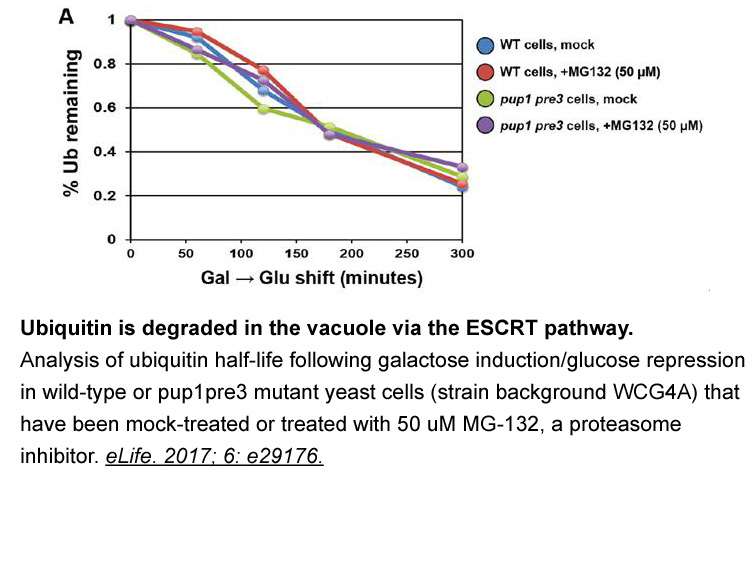
Patients and methods Results Discussion The positivity of serum anti-HBc is the most commonly used marker to confirm the history of HBV infection. Quantification of serum anti-HBc has been explored as a marker of HBV-induced hepatitis and the adaptive immune response against HBV infection a
-
br Materials and methods br Results br Discussion
2022-04-29
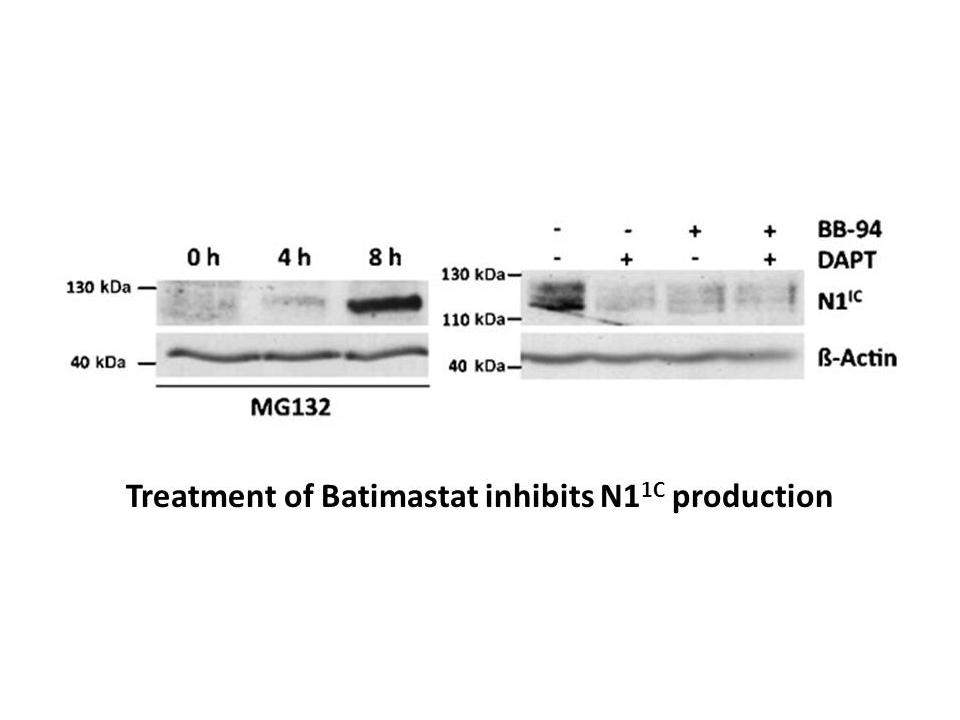
Materials and methods Results Discussion I have identified an alternative transcript of the integrin αE gene that is abundantly expressed in testis. In humans, this transcript (hAED) includes part of intron 26 and exons 27, 29, 30, and 31 of the conventional αE gene and Northern analysis in
-
HATU Introduction Epigenetic mechanisms modulate heritable
2022-04-29
Introduction Epigenetic mechanisms modulate heritable phenotypic changes that are not dictated by changes in DNA sequences. The link between epigenetic modifications and cancer development has been established [1], [2]. Histone modifications represent an important class of epigenetic mechanisms tha
-
NCSs are helical proteins containing four EF
2022-04-29

NCSs are α-helical proteins containing four EF-hand motifs with EF1 being incapable of Ca-binding throughout the family (atomic-resolution structure was firstly resolved for recoverin [5]; for review on NCS structure, see [6]). Some of the NCS proteins (i.e. recoverin and KChIP3) have two while othe
7953 records 463/531 page Previous Next First page 上5页 461462463464465 下5页 Last page