Archives
- 2026-10
- 2026-09
- 2026-08
- 2026-07
- 2026-06
- 2026-05
- 2026-04
- 2026-03
- 2026-02
- 2026-01
- 2025-12
- 2025-11
- 2025-10
- 2025-09
- 2025-03
- 2025-02
- 2025-01
- 2024-12
- 2024-11
- 2024-10
- 2024-09
- 2024-08
- 2024-07
- 2024-06
- 2024-05
- 2024-04
- 2024-03
- 2024-02
- 2024-01
- 2023-12
- 2023-11
- 2023-10
- 2023-09
- 2023-08
- 2023-07
- 2023-06
- 2023-05
- 2023-04
- 2023-03
- 2023-02
- 2023-01
- 2022-12
- 2022-11
- 2022-10
- 2022-09
- 2022-08
- 2022-07
- 2022-06
- 2022-05
- 2022-04
- 2022-03
- 2022-02
- 2022-01
-
Sulfur transfer reagent Casein accounts for of the total pro
2025-02-21
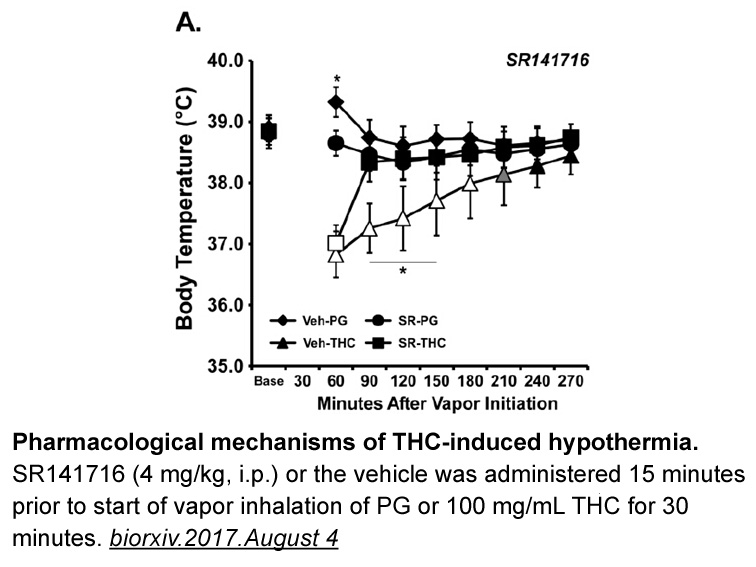
Casein accounts for 80% of the total protein in bovine milk (Capriotti, Cavaliere, Piovesana, Samperi, & Laganà, 2016); hydrolysates or bioactive peptides derived from casein have been employed widely in food as a functional ingredient (Capriotti et al., 2016, Field et al., 2008). Many studies have
-
br Funding br Introduction l Dihydroxyphenylalanine l DOPA i
2025-02-21
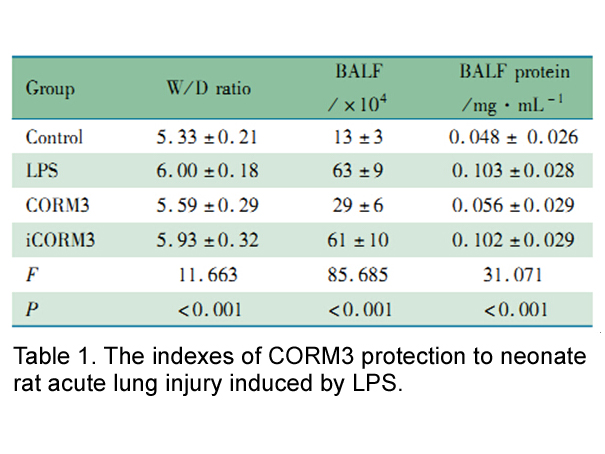
Funding Introduction l-3,4-Dihydroxyphenylalanine (l-DOPA) is the gold-standard treatment for the motor symptoms of Parkinson's disease (PD); however, its chronic use induces severe motor complications that eventually limit its long-term efficacy (Bastide et al., 2015). The most disabling side
-
In the last decade the zebrafish has emerged as a
2025-02-21

In the last decade, the zebrafish has emerged as a valuable vertebrate model to systematically dissect the genetic underpinnings of both vertebrate heart development and function [8,9], as well as distinct cardiac diseases such as congenital heart disease [10], cardiomyopathies [11,12] and cardiac a
-
br Breast cancer The interactions between LOX and COX
2025-02-21
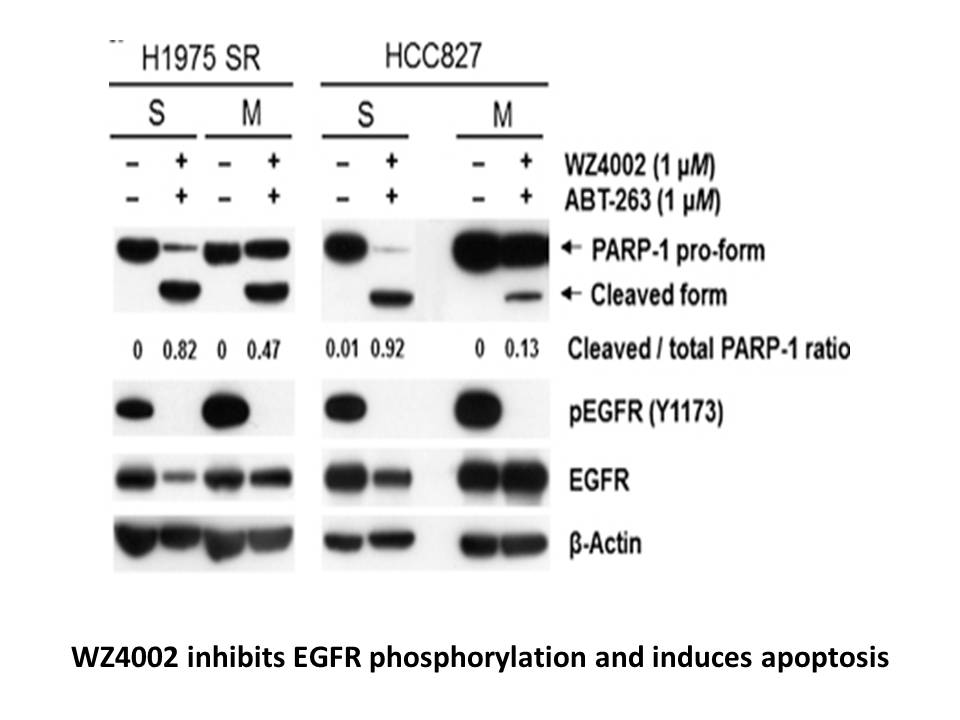
Breast cancer The interactions between 15-LOX and COX enzymes also affect the outcome of breast cancer. Indomethacin, a COX-1 and COX-2 inhibitor, decreased the growth of human breast cancer (BC) cells in nude mice, as well as slowed the rate of lung metastasis formation [41]. The levels of 12-HE
-
Hepatoid adenocarcinoma closely resembles HCC
2025-02-21
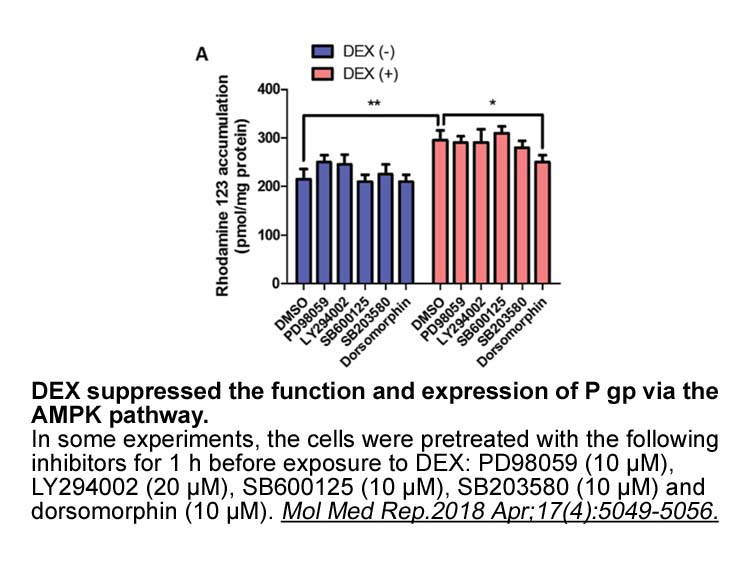
Hepatoid adenocarcinoma closely resembles HCC and in some cases can be indistinguishable morphologically. Hepatoid adenocarcinoma is an aggressive neoplasm, and metastasis to the liver is common [12]. Gastric metastasis from HCC has also been reported [27]. Distinguishing hepatoid adenocarcinoma fro
-
CORT induced hippocampal damage has been implicated in
2025-02-21
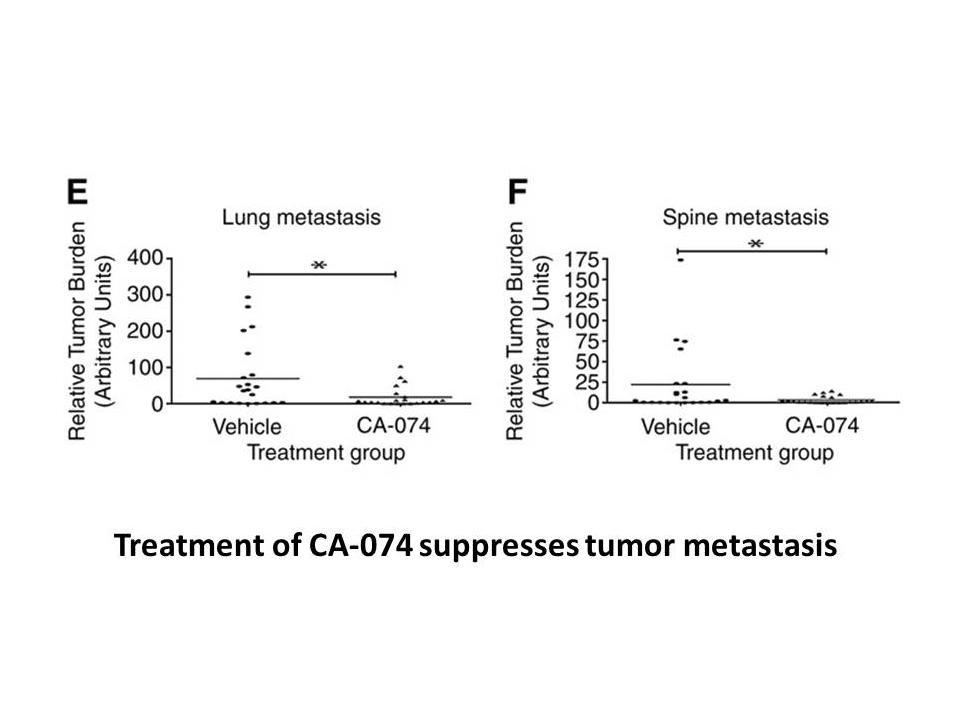
CORT-induced hippocampal damage has been implicated in depression, aging and long-term glucocorticoid therapy. Therefore, finding a drug that can protect hippocampal neurons from the adverse effects of CORT could have significant clinical benefits. In this regard, we tested the potential protective
-
Ultracentrifugation of AD brain was reported to
2025-02-21
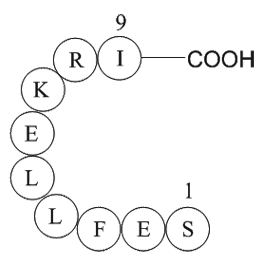
Ultracentrifugation of AD pseudouracil was reported to remove >99.95% of Aβ, while only reducing seeding capacity by 70% (Langer et al., 2011). This suggests that the most potent seeding Aβ species are relatively small soluble oligomers rather than larger insoluble fibrils. It was also noted that t
-
Recent work has detailed the impact of genetic deletion
2025-02-21
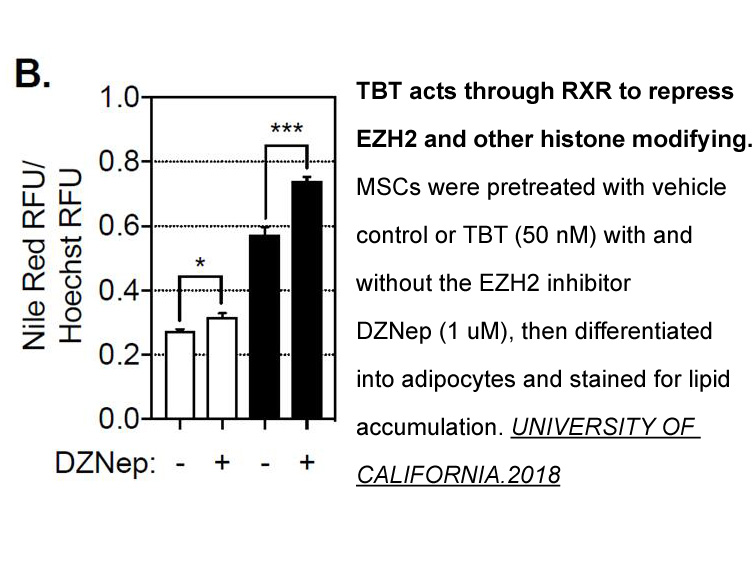
Recent work has detailed the impact of genetic AM1241 of AMPK in the liver, revealing only minor phenotypes upon removal in mice (Boudaba et al., 2018). However, these studies very elegantly showed the potential for small molecule-mediated activation of AMPK to elicit large changes in lipid metabol
-
When arachidonic acid is used as
2025-02-20

When arachidonic sorafenib tosylate is used as a substrate, the platelet-type 12S-lipoxygenase produces predominantly the 12S-hydroperoxy derivative. In contrast, the leukocyte-type 12S-lipoxygenases generate substantial amounts of the 15-lipoxygenase product in addition to the 12S-hydroperoxy deriv
-
br Current therapies for metabolic
2025-02-20
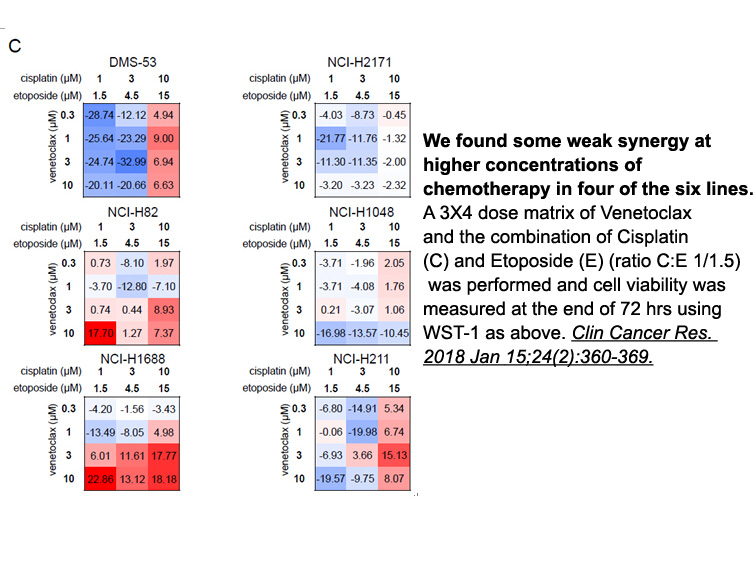
Current therapies for metabolic diseases Inborn errors of metabolism caused by deficiency of particular enzymes due to loss of function mutations or deletions have been treated by decreasing the intake of the enzymatic substrate, supplementation with an essential cofactor or vitamin, increasing m
-
br The MIR The MIR
2025-02-20
The MIR The MIR is defined by the ability of a single rat mAb to muscle or electric organ AChRs, typically mAb 35, to block binding of half or more of autoantibodies in human MG or EAMG [44], [45], [46]. Antibodies to the MIR are pathologically significant because they exhibit all the major patho
-
br Results br Discussion Both
2025-02-20

Results Discussion Both ATM and ATR are key regulators of the cellular response to DSBs, yet how exactly they function in concert is not well understood. Recent studies revealed that ATM is required for the resection of DSBs (Jazayeri et al., 2006, Myers and Cortez, 2006), a process necessary
-
Protein phosphorylation is an important
2025-02-20
Protein phosphorylation is an important posttranslational mechanism for the regulation of distribution, trafficking, and function of modified proteins (Wang et al., 2014). GluA1 phosphorylation at S845 also has functional consequences (Lu and Roche, 2012). For instance, S845 phosphorylation drove tr
-
br The pathogenesis of AD and the targets
2025-02-19
The pathogenesis of AD and the targets of apelin Alzheimer's drugs Conclusions Introduction APJ, first identified from a human genomic library in 1993, belongs to a member of seven trans-membrane G protein-coupled receptor family. Its amino Green fluorescent dUTP sequence has 31% homolog
-
induced pluripotent stem cell Later on Wayner Burton Ingold
2025-02-19

Later on, Wayner, Burton, Ingold, Barclay, and Locke (1987) modified the method by using lipid to examine the ability of an antioxidant induced pluripotent stem cell protect against lipid peroxidation generated by azo-compound. It was later improved using β-phycoerythrin (β-PE) as a fluorescent pro
7946 records 44/530 page Previous Next First page 上5页 4142434445 下5页 Last page